The Definitive Guide to
Sunset Park Industrial Lofts.
A field guide to Brooklyn's largest working industrial neighborhood — how the century-old daylight factories on the waterfront differ from the independent brick buildings upland, why who runs the building decides your search before location does, and what the walk under the expressway actually costs you.
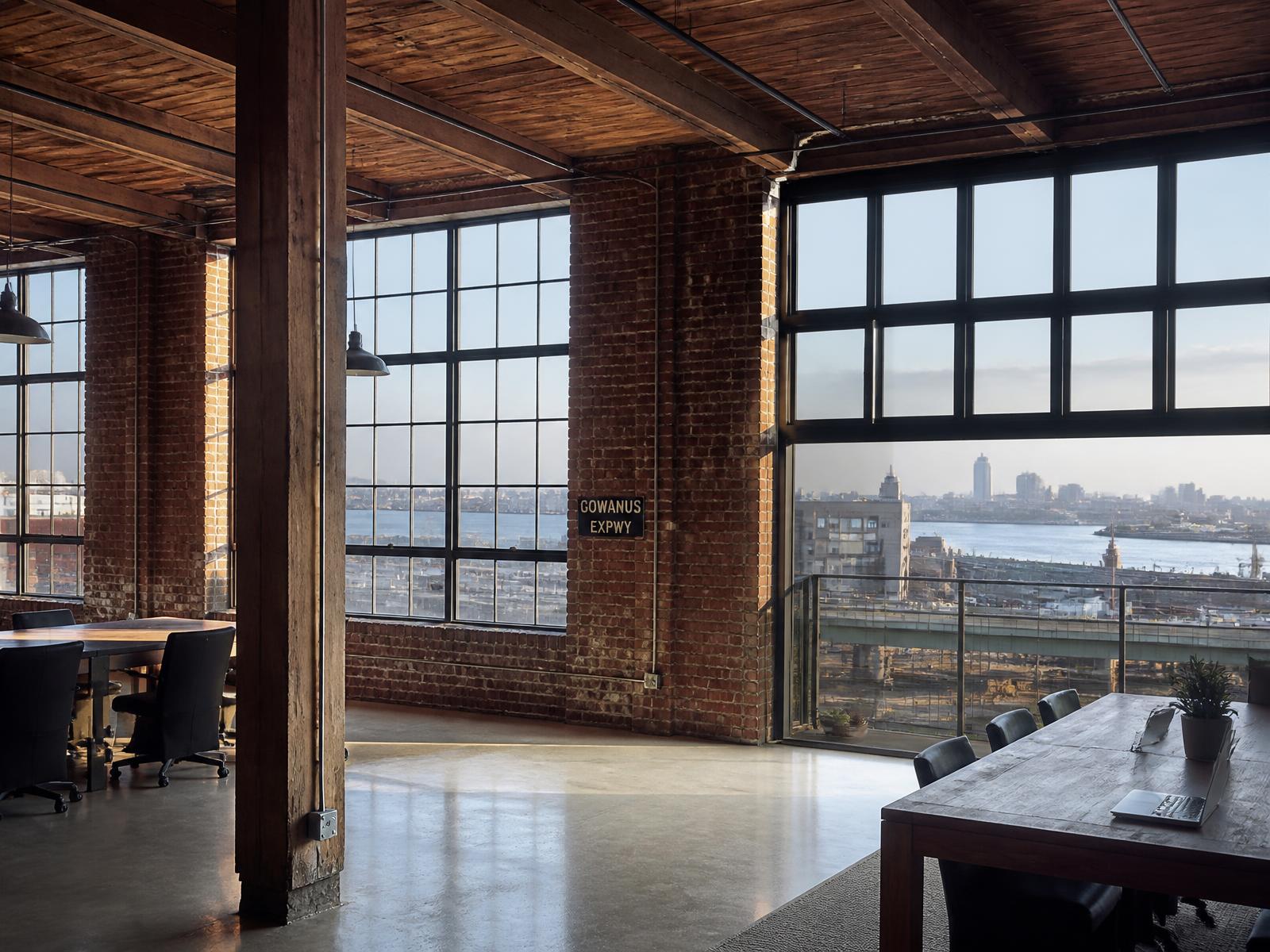
What actually counts as an industrial loft here
Sunset Park's loft stock came out of one idea: that a port, a rail yard and a factory floor should sit in the same complex. Irving Bush started building Bush Terminal on this waterfront in the 1890s — piers, rail sidings and ranks of reinforced-concrete warehouse-factory buildings operating together, often called the first multi-tenant industrial park in the country. In 1918 the Army added the Brooklyn Army Terminal at the south end, a pair of colossal concrete buildings to a Cass Gilbert design. What both left behind is the thing tenants come here for: enormous, high, heavily-rated floor plates with ranks of steel-sash windows.
A real Sunset Park floor is industrial first and finished second. Expect a concrete frame, serious floor load, freight built into the building rather than added to it, and — in most of the independent stock — a tenant build-out. What separates this market from Gowanus or Williamsburg isn't the architecture, it's the permission: the industrial blocks sit inside a protected Industrial Business Zone, so a floor here still tolerates fabrication, production and noise. That protection is most of what you're actually renting.
Two kinds of landlord, two different deals
The managed waterfront campuses. The old Bush Terminal blocks — operated today as the Industry City campus — and the city-owned Brooklyn Army Terminal, leased through the Economic Development Corporation. Reinforced-concrete daylight factories with huge clear plates, real freight infrastructure, finished common areas and professional leasing offices running published processes. The best-known space in the neighborhood is here, and getting it means entering someone's process at their pricing, sometimes on a waitlist. If that's what you want, their leasing office is the front door and you don't need a guide to find it.
The independent industrial buildings. Smaller brick, timber and masonry buildings upland of the waterfront and along the avenues, held by individual owners who lease directly. Rawer, quieter, more variable — and frequently never advertised anywhere. This is where Sunset Park's woodworkers, metal shops, auto trades, artist studios and small fabrication tenants actually are, and it's the part of the market worth having someone in. Management quality swings hard from one owner to the next, which cuts both ways: less service, but also more flexibility and considerably better economics.
Between them sits the avenue edge — smaller mixed commercial buildings and ground floors nearer the residential neighborhood, where a shop with a showroom or a studio that takes visitors can be reachable from the R train without being buried in the industrial zone.
What to check on a Sunset Park tour
Ceiling height, two numbers. Ask for clear-to-deck, and separately for the height under the lowest duct or sprinkler. A century of retrofitted mechanicals hangs from these ceilings in both the campus and the independent stock, and the number in the brochure is always the first one.
Freight. The campus buildings have real freight infrastructure — ask capacity in pounds and who operates it. In the smaller independent buildings, ask whether a freight elevator exists at all, because a genuine share of that stock is ground-floor or walk-up. Then ask whether the car opens into your own demised space or a shared corridor; that single detail decides whether a pallet ends up secure inside your shop or stranded in a hallway.
Floor load. Get the live-load rating in pounds per square foot for your specific floor, in writing, before ordering equipment. The concrete daylight-factory floors were built for machinery and carry serious numbers. The older timber-framed independent buildings vary far more than their exteriors suggest.
Rentable versus usable. Ask which basis you're being quoted on. In the managed campus buildings the loss factor is real and worth normalizing before comparing two deals. In the independent buildings the measurement itself can be informal — in the other direction.
Certificate of occupancy and use. Read the certificate rather than the lease's description of it. Legal uses vary more owner to owner in the independent stock than inside a campus, where a leasing office handles it.
Power and venting. Confirm the incoming electrical service before planning equipment, and get anything about dust extraction, venting or a spray booth in writing rather than by handshake. This is a neighborhood where the answer is often yes — which is exactly why it needs to be documented.
Column grid. Measure it yourself rather than trusting the floor plan. The same 8,000 SF behaves completely differently on an open daylight-factory plate than in a tight masonry bay upland.
Where the loft blocks actually are
Sunset Park runs from Green-Wood Cemetery down to Bay Ridge, Eighth Avenue out to the harbor — with the Gowanus Expressway viaduct running above Third Avenue and splitting the whole neighborhood in two. It divides into three pieces.
The waterfront campuses. The Bush Terminal-era daylight factories and the Brooklyn Army Terminal, west of Third Avenue. Design and media firms, food production at scale, larger manufacturers. Big plates, real services, campus processes and campus pricing.
The independent blocks upland. The smaller industrial buildings between and above the avenues, held by individual owners. Woodworkers, metal and stone shops, auto trades, artist studios, small fabricators. Rawer space, direct leases, and the part of the market that mostly doesn't get listed.
The avenue edge. Toward Fourth and Fifth Avenues and the residential neighborhood — ground floors and smaller commercial buildings, reachable from the R without crossing the industrial zone. Where a showroom, a visitor-facing studio or a small creative office belongs.
What tenants ask us about most
“How much is a floor?” Sunset Park runs roughly $18–$38 per SF per year depending on which of those three pieces you're in — below Gowanus and well below the converted neighborhoods, because this is still a working industrial market. Campus floors price highest; raw independent space where you handle the build-out prices lowest. Ask about electrical service, freight, and the rentable-versus-usable basis before comparing two numbers.
“Can I actually make things here?” Yes — more realistically than anywhere else in Brooklyn. The industrial blocks sit inside a protected Industrial Business Zone designated in 2006, the daylight-factory floors were built for machinery, and the tenant base around you is genuinely industrial. Tell us what you're running and we'll check the specific building's use, power and venting.
“How does a team get here?” Better than its reputation, worse than it looks on a map. The R runs local under Fourth Avenue with a stop every few blocks, and the D and N stop express at 36th Street — that station is the real commute anchor. The NYC Ferry lands at the Brooklyn Army Terminal, and the B37 runs Third Avenue under the viaduct.
“What's the catch with Sunset Park space?” The commute geography, honestly and first. The best buildings sit on the far side of the industrial zone from the Fourth Avenue platforms, and the walk passes under the Gowanus Expressway viaduct — loud, dark and unlovely, every day, in February as much as June. A team that expects a short subway walk, or clients arriving by train, will feel it. The second catch is the market's shape: the best-known space is concentrated in a few professionally managed campuses running their own processes and pricing, while the independent stock means rawer buildings and real variation in management from one owner to the next. If you need polish plus an easy commute, Gowanus or Downtown Brooklyn will serve you better, and we'd rather say so now.
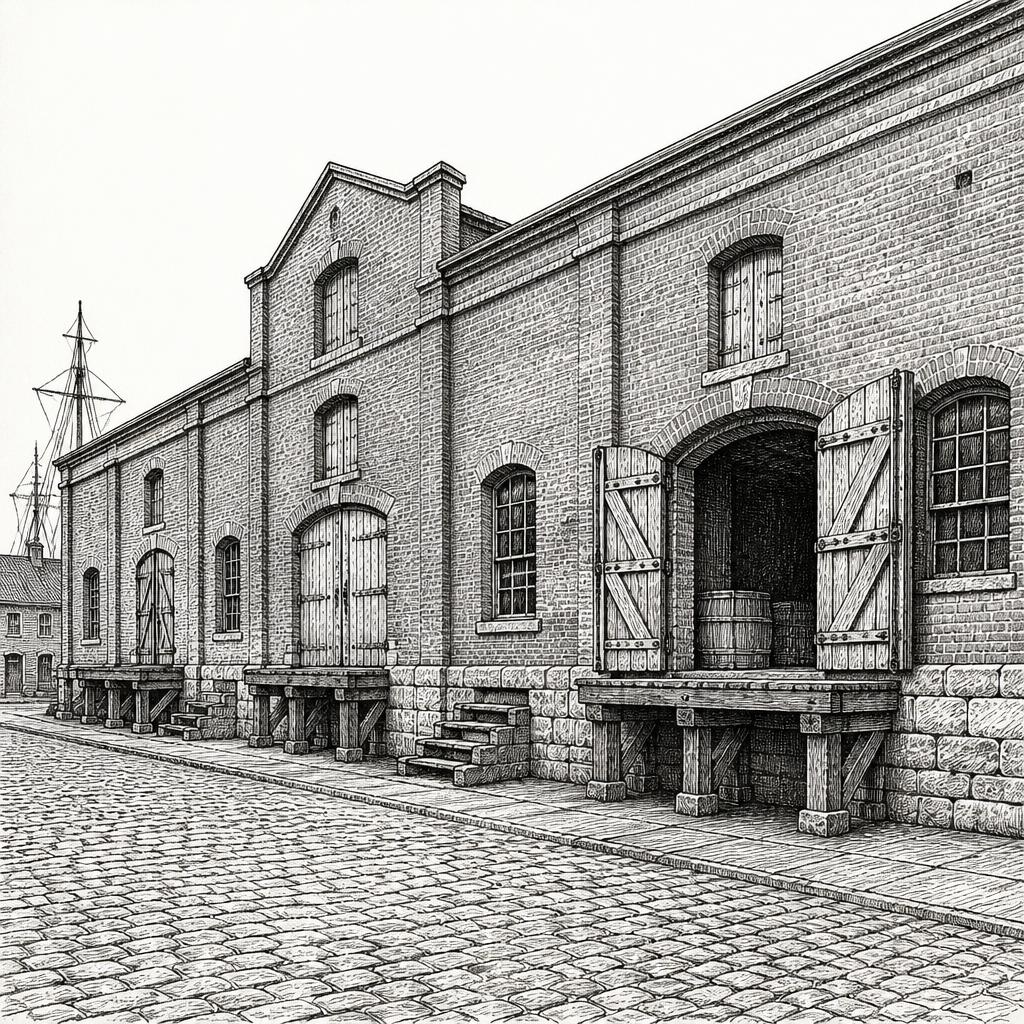
North along the working waterfront — Civil War-era warehouse blocks and freestanding Erie Basin buildings, rawer and more isolated than Sunset Park, with no subway at all and the flood zone to plan around.
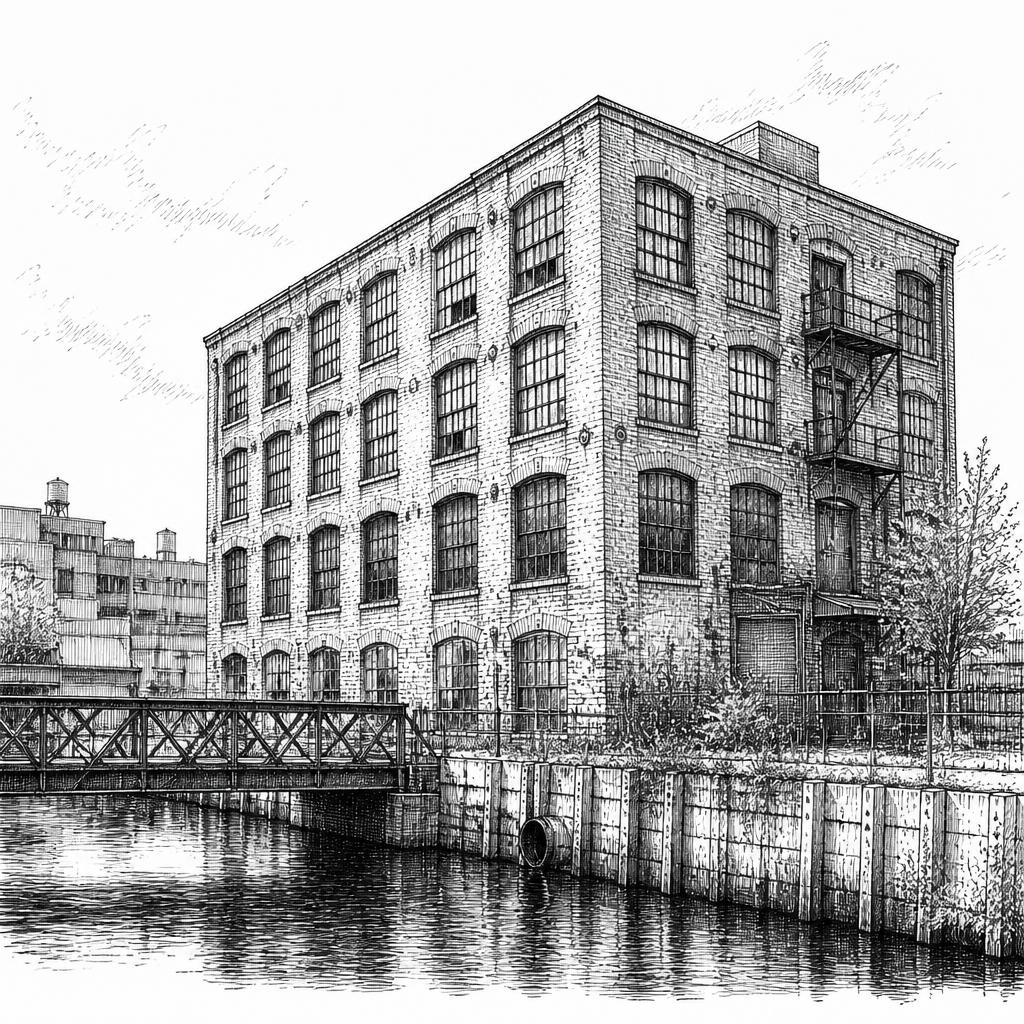
Inland along the canal — low-rise roll-up-door industrial with ground-floor fabrication space, closer to brownstone Brooklyn but carrying the zoning uncertainty of an active rezoning rather than Sunset Park's locked-in industrial protection.
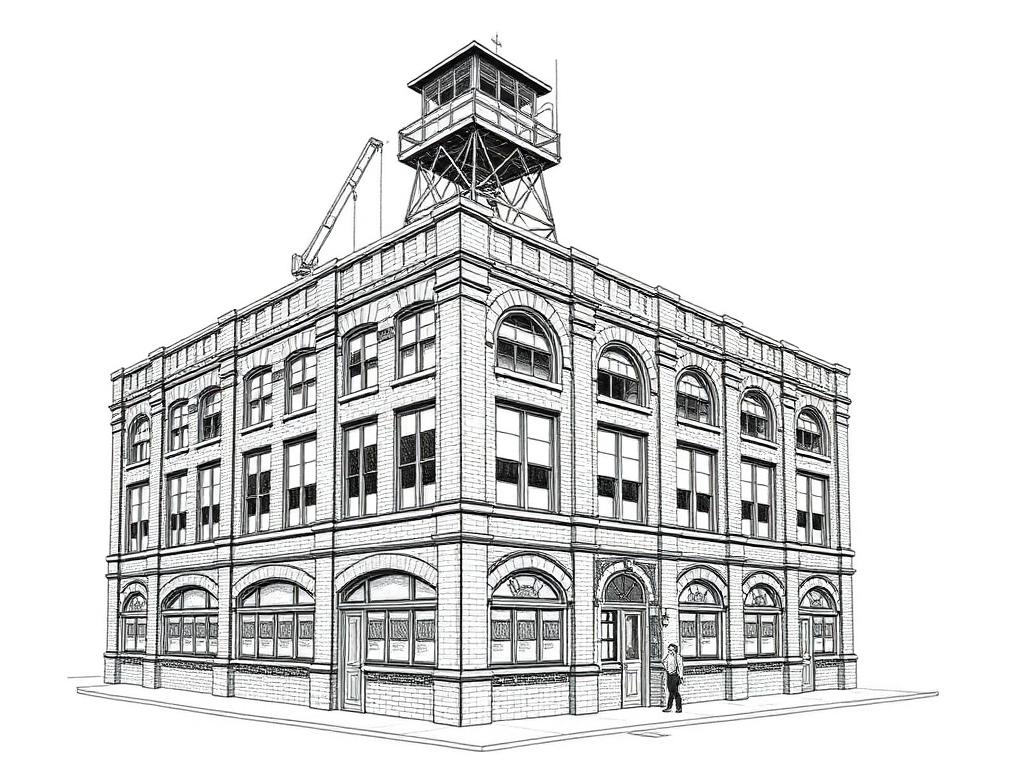
North, and the cautionary tale — heavy-timber and concrete daylight factories every bit as good as Sunset Park's, but residential rezoning took the industrial protection with it, so the making space became offices and apartments.
Tell us what you're after.
Seven quick questions. A person reads it. We keep an eye out — including for floors that never hit a listing site.
Start the Brief →